
Organic Compost & Nitrogen Deficiency in Bulawayo Soils
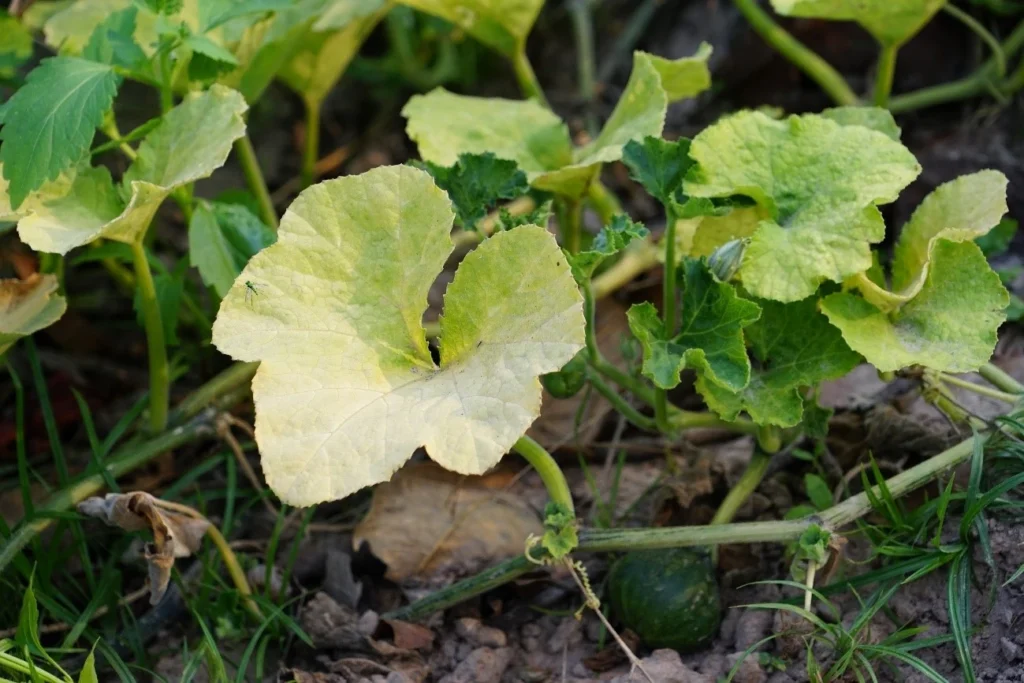
Bulawayo farmers face a silent enemy. Nitrogen deficiency, the silent enemy of Bulawayo farmers, is often overlooked. It stunts crops, yellows leaves, and drains productivity. That enemy is nitrogen deficiency. Fortunately, organic compost offers a powerful, natural solution. Moterra Farms has seen it transform exhausted Bulawayo soils firsthand.
Understanding Nitrogen Deficiency in Bulawayo Soils
Bulawayo sits on ancient, weathered soils. Decades of farming have stripped essential nutrients. Nitrogen deficiency is now widespread across smallholder and commercial farms alike. Nitrogen is the engine of plant growth. Without it, crops cannot produce chlorophyll. Leaves turn pale yellow. Growth slows dramatically. Yields collapse.
Bulawayo’s semi-arid climate makes the problem worse. Low rainfall limits natural organic matter decomposition. Sandy, low-carbon soils retain very little nitrogen. Chemical fertilisers provide a short-term fix. But they are expensive, increasingly scarce, and damage long-term soil health. Farmers need a better solution.
For further reading on soil nitrogen dynamics in Zimbabwe, visit the Food and Agriculture Organisation Zimbabwe resource centre.
What Is Organic Compost and Why Does It Matter?
Organic compost is decomposed biological material. It includes food waste, animal manure, crop residues, and garden matter. When properly made and applied, it becomes one of nature’s most powerful soil amendments. It rebuilds soil structure, improves water retention, and — most importantly — restores nitrogen levels naturally.
Unlike synthetic fertilisers, organic compost releases nitrogen slowly. This slow release matches plant uptake perfectly. It reduces nitrogen loss through leaching and volatilisation. The result is sustained, consistent feeding throughout the growing season. Bulawayo farmers who switch to compost report healthier crops and lower input costs over time.
Compost also introduces beneficial microbial life into depleted soils. These microbes are essential. They break down organic matter and convert nitrogen into plant-available forms. Without them, even nutrient-rich soils underperform dramatically.
Learn more about composting benefits at the South African Composting Network.
How Nitrogen Deficiency Develops in Bulawayo
Bulawayo’s soils have been under pressure for generations. Continuous cropping removes nitrogen faster than it is replaced. Burning crop residues — a common local practice — destroys organic matter and releases stored nitrogen into the atmosphere. Overgrazing strips vegetation and eliminates natural organic inputs.
Nitrogen deficiency intensifies during dry seasons. High temperatures accelerate nitrogen volatilisation from exposed soils. Without vegetative cover or mulch, soils bake and lose what little nitrogen remains. By the time planting season arrives, the soil is nutritionally exhausted.
The symptoms are unmistakable. Older leaves yellow first, starting at the tip. Younger leaves follow. Plants remain stunted and spindly. Fruiting is poor. Grain fill is incomplete. Farmers mistake these signs for drought stress — but the root cause is often nitrogen deficiency working alongside moisture stress.
For soil testing services in Zimbabwe, visit The Zimbabwe Fertiliser Company.
How Organic Compost Directly Fixes Nitrogen Deficiency
Organic compost addresses nitrogen deficiency through several interconnected mechanisms. First, it adds organic nitrogen directly to the soil. As compost breaks down, nitrogen is released gradually into the root zone. Plants absorb it efficiently and consistently throughout the season.
Second, compost feeds soil microorganisms. These microbes perform a process called nitrogen mineralisation. They convert organic nitrogen compounds into ammonium and nitrate — the two forms plants can actually absorb. A teaspoon of healthy compost-enriched soil contains billions of these essential organisms.
Third, compost improves soil structure. Better structure means better water infiltration. Better water movement carries dissolved nitrogen deeper into the root zone. Compacted, degraded Bulawayo soils cannot do this efficiently. Compost rebuilds that capacity over time.
Fourth, compost raises soil organic matter content. Higher organic matter means greater nitrogen-holding capacity. The soil becomes a slow-release nitrogen reservoir rather than a nitrogen-leaking sieve. This is the long-term fix that chemical fertilisers simply cannot provide.
Explore compost application guidelines at the Agricultural Research Council of South Africa.
Moterra Farms Compost — Designed for Bulawayo Soils
Moterra Farms produces premium organic compost specifically formulated for Zimbabwe’s soil conditions. Our compost is rich in nitrogen, phosphorus, and potassium. It contains active microbial cultures that colonise depleted soils rapidly. It is fully matured, weed-seed free, and ready to apply.
We source our inputs locally. Cattle manure, crop residues, vegetable waste, and indigenous organic matter form the base of every batch. Our composting process is carefully managed. Temperature, moisture, and aeration are monitored throughout. The result is a consistent, high-quality product that delivers measurable results.
Farmers across Bulawayo and Matabeleland have applied Moterra compost and seen the difference within a single season. Nitrogen deficiency symptoms disappear. Leaf colour returns to deep, healthy green. Crop vigour improves visibly. Yield data consistently shows improvement across maize, vegetables, and small grains.
For Zimbabwean agricultural input support, visit the Zimbabwe Farmers Union.
How to Apply Organic Compost for Maximum Nitrogen Benefit
Application method matters enormously. Broadcasting compost across the soil surface is effective but less efficient. Incorporating compost into the top 15 to 20 centimetres of soil delivers nitrogen directly to the root zone. This is the recommended approach for addressing acute nitrogen deficiency.
Apply compost at the start of the rainy season. Soil moisture activates microbial activity and accelerates nitrogen release. For established crops showing nitrogen deficiency symptoms, side-dress compost along the plant rows. Water in thoroughly after application.
Application rates depend on soil condition and crop type. For severely depleted Bulawayo soils, apply 5 to 10 tonnes per hectare in the first season. Maintenance applications of 2 to 3 tonnes per hectare annually will sustain nitrogen levels and build long-term soil health progressively.
For detailed composting and soil amendment guidance, visit Organic Africa.
Compost Versus Chemical Fertilisers for Nitrogen Deficiency
Many Bulawayo farmers rely on ammonium nitrate and urea to address nitrogen deficiency. These products work quickly. But they come with serious drawbacks. They are expensive, often in short supply, and require foreign currency in Zimbabwe’s challenging economic environment.
Chemical nitrogen also damages soil biology over time and acidifies soil pH. It reduces microbial diversity, creates a dependency cycle — soils become less capable of retaining nitrogen naturally, demanding ever-increasing fertiliser inputs to maintain yields. This is an unsustainable and costly trap.
Organic compost breaks that cycle. It is affordable, locally producible, and builds long-term soil fertility. The initial nitrogen release is slower than chemical fertiliser. But the cumulative benefit over three to five seasons is significantly greater. Soil health improves year on year. Input costs reduce progressively. For economic analysis of organic versus chemical inputs in Southern Africa, visit the International Fertiliser Development Centre.
Building Long-Term Nitrogen Fertility in Bulawayo
Fixing nitrogen deficiency is not a once-off intervention. It is a long-term soil rehabilitation programme. Consistent organic compost application rebuilds the nitrogen cycle from the ground up. Each season, organic matter increases. Microbial populations grow. Nitrogen retention improves. Crop performance strengthens. Combine compost with complementary practices for best results. Plant nitrogen-fixing cover crops like cowpeas, lablab, and velvet beans between seasons. Retain crop residues as mulch rather than burning them. Minimise soil disturbance through conservation tillage. These practices work synergistically with compost to restore nitrogen balance permanently. Moterra Farms supports Bulawayo farmers throughout this journey. We supply premium compost, offer soil testing guidance, and share practical agronomic advice tailored to local conditions. Our mission is simple—healthier soils, better harvests, and stronger farming communities across Zimbabwe.
For conservation agriculture resources relevant to Zimbabwe, visit the Conservation Agriculture Zimbabwe platform.
Conclusion
Nitrogen deficiency is one of Bulawayo’s most serious agricultural challenges. It is also one of the most solvable. Organic compost provides a natural, affordable, and sustainable pathway to restored soil nitrogen. It feeds crops, rebuilds soil biology, and breaks the dependency on expensive chemical inputs. Moterra Farms compost is your partner in that transformation. One application starts the process. Consistent use completes it. Your soil has the potential to be productive, nitrogen-rich, and resilient. Organic compost is the key that unlocks it.
Contact Moterra Farms today and take the first step toward nitrogen-rich, productive soils. 🌱