
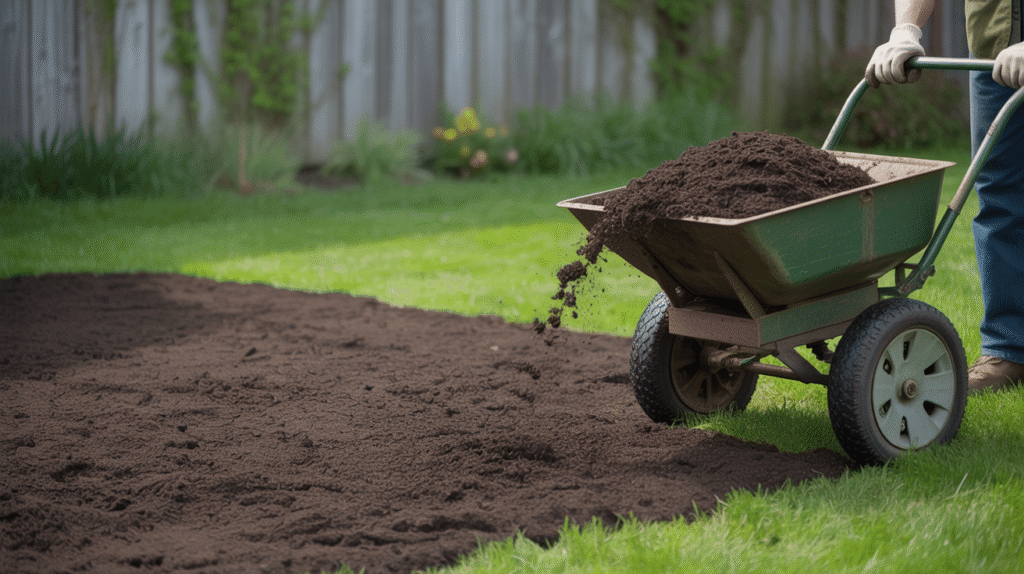
Your Lawn in Bulawayo Deserves Better Than Chemicals
Maintaining a healthy lawn in Bulawayo is one of the most common struggles for local homeowners. Bulawayo’s semi-arid climate, sandy soils, and unpredictable rainfall make lawn care genuinely difficult. Many residents pour money into chemical fertilizers hoping for a quick green fix each season. But chemicals treat the symptoms without ever fixing the underlying soil problems affecting your lawn in Bulawayo. Organic compost is the smarter, more sustainable, and more affordable long-term solution. It works with Bulawayo’s unique soil and climate conditions rather than against them. This blog explains exactly why organic compost is the best investment you can make for your lawn in Bulawayo.
Why Lawns in Bulawayo Struggle Without Organic Matter
Every lawn in Bulawayo faces the same fundamental challenge — poor, sandy, low-organic-matter soil. Bulawayo sits on Kalahari sand and ancient granite-derived soils that drain water rapidly. Nutrients wash straight through sandy soil before grass roots can absorb them. Soil compaction is also a persistent problem, especially in lawns with regular foot traffic. Without organic matter, no lawn in Bulawayo can reach its full green, lush potential. Chemical fertilizers add nutrients temporarily but do nothing to fix the underlying soil structure. Organic compost solves the root problem by building soil health from the ground up. According to University of Missouri Extension, organic matter is the single most important factor determining soil health and lawn performance.
How Organic Compost Transforms Soil for Lawns in Bulawayo
Organic compost is decomposed natural material — kitchen scraps, garden waste, grass clippings, and animal manure. The decomposition process creates a dark, crumbly, nutrient-dense material that rebuilds damaged soil. When applied to a lawn in Bulawayo, compost binds sandy particles together into a sponge-like structure. This improved structure holds nutrients and moisture exactly where grass roots need them most. Compost also introduces billions of beneficial soil microorganisms that keep your lawn biologically alive. According to Gardening Know How, compost-treated lawns develop deeper roots and recover significantly faster from heat and drought stress. Even a single application of compost produces measurable improvements in Bulawayo’s degraded sandy soils.
Compost Solves the Water Retention Crisis for Every Lawn in Bulawayo
Water scarcity is arguably the biggest obstacle to maintaining a green lawn in Bulawayo. Municipal water restrictions are a regular reality, particularly during the dry season from May to October. Every drop of water that reaches your lawn in Bulawayo needs to stay in the soil as long as possible. Organic compost acts like a moisture reservoir, absorbing water and releasing it slowly to grass roots. Research shows compost-amended soils retain up to 20% more water than untreated sandy soils. This means your lawn in Bulawayo stays greener for longer between watering sessions. According to the U.S. Environmental Protection Agency, compost-enriched soils significantly reduce irrigation needs in hot, dry climates. For households on Bulawayo City Council water meters, this directly lowers your monthly utility bill.
Organic Compost Feeds Your Lawn in Bulawayo Slowly and Safely
Every lawn in Bulawayo needs a consistent supply of nitrogen, phosphorus, potassium, and trace micronutrients. Chemical fertilizers deliver a sharp, sudden nutrient spike that frequently burns grass and leaches rapidly from sandy soil. Compost releases nutrients slowly and steadily as soil microbes naturally break it down over weeks. This slow-release feeding perfectly matches the natural growth cycle of lawn grass in Bulawayo’s climate. Kikuyu and Bermuda grass — the two most popular lawn types in Bulawayo — respond exceptionally well to compost feeding. There is zero risk of over-fertilizing, chemical burn, or root damage with properly matured organic compost. Your lawn in Bulawayo gets fed consistently week after week with no extra cost or effort required. SANBI (South African National Biodiversity Institute) endorses organic soil enrichment as essential for sustainable lawn and garden health across southern Africa.
How Compost Makes Your Lawn in Bulawayo Drought-Resistant
Bulawayo regularly experiences extended dry spells, especially during El Niño seasons. Lawns in Bulawayo managed purely on chemical fertilizers become dependent on frequent watering and constant reapplication. Organic compost builds genuine drought resilience by encouraging deeper, stronger root development over time. Deep roots access subsoil moisture that surface-fed lawns in Bulawayo simply cannot reach during dry months. During the 2019–2020 drought, compost-treated gardens across Zimbabwe recovered significantly faster when rains returned. Healthy soil biology also helps lawn grass enter safe dormancy and green up rapidly once the rainy season begins. According to Farmers Weekly South Africa, organic soil management is the most proven drought-proofing strategy for home gardens across southern Africa. Building drought resistance is the single most valuable investment you can make for your lawn in Bulawayo long-term.
The Real Cost Savings of Using Compost on Your Lawn in Bulawayo
The cost of lawn care in Zimbabwe has risen sharply due to inflation and foreign currency challenges. A bag of chemical lawn fertilizer in Bulawayo can cost USD 15–30 depending on availability. Keeping a lawn in Bulawayo green with chemicals alone can cost USD 100–200 or more per year. Compost made at home costs virtually nothing beyond the labor of building and turning the pile. Over a full year, a Bulawayo household can save USD 80–150 by switching entirely to homemade compost. Commercial compost products are also widely available at a fraction of the price of chemical fertilizers. Reducing chemical dependency also insulates you from input price volatility and foreign currency shortages. The long-term financial case for using compost on your lawn in Bulawayo is simply undeniable.
Environmental Reasons to Choose Compost for Your Lawn in Bulawayo
Choosing compost over chemicals is as good for Bulawayo’s environment as it is for your lawn. Chemical fertilizer runoff from lawns in Bulawayo flows into stormwater drains, dams, and groundwater systems. Bulawayo’s water infrastructure is already under severe pressure and cannot absorb more chemical pollution. Composting household and garden waste also diverts organic material from Bulawayo’s already strained municipal landfills. Organic waste decomposing in landfills produces methane, a greenhouse gas far more potent than carbon dioxide. Every Bulawayo household that composts reduces its own environmental footprint meaningfully and measurably. A greener lawn in Bulawayo should never come at the cost of a greener environment for the whole community.
Step-by-Step: How to Apply Compost to Your Lawn in Bulawayo
Applying compost to your lawn in Bulawayo is simple and requires no specialist tools or knowledge.
- Top dressing: Spread a 5–10mm layer of fine, mature compost evenly across your entire lawn surface.
- Best timing: Apply at the start of Bulawayo’s rainy season in October or November for maximum benefit.
- Aerate first: Spike your lawn with a garden fork before applying compost to improve soil penetration.
- Water in: Lightly irrigate after application to help compost settle deep into the grass and soil.
- Frequency: Apply compost to your lawn in Bulawayo once or twice per year for consistently healthy results.
- Quality check: Only use fully matured, dark, crumbly compost with no strong or unpleasant odour.
Lifestyle Home Garden South Africa provides excellent region-specific advice on compost application for southern African lawns and gardens.
How to Make Compost at Home for Your Lawn in Bulawayo
Making your own compost for your lawn in Bulawayo is easy, affordable, and incredibly rewarding. Choose a shaded corner of your yard to prevent the pile drying out too quickly in the Bulawayo heat. Layer green materials like kitchen scraps and grass clippings with dry brown materials like leaves. Add a thin layer of garden soil or old compost to introduce the right decomposing microorganisms. Turn the pile every two weeks to introduce oxygen and significantly speed up decomposition. Keep the pile consistently moist but never waterlogged, especially during Bulawayo’s long dry winter season. Within 8 to 12 weeks you will have rich, dark, finished compost ready for your lawn in Bulawayo. The entire process is free and transforms household waste into the most valuable input your lawn will ever receive.
Organic Compost is the Best Choice for Every Lawn in Bulawayo
Organic compost is not a passing gardening trend — it is the most logical and proven solution for every lawn in Bulawayo. It directly addresses the real causes of poor lawn health: degraded soil, poor water retention, and chronic nutrient loss. It saves money, protects the local environment, and builds genuine resilience against Bulawayo’s harsh dry seasons. The results take a little patience, but they are lasting, compounding, and deeply satisfying season after season. Start your compost pile today and top-dress your lawn in Bulawayo at the beginning of this coming rainy season. Your grass will be greener, your soil healthier, your water bill lower, and your lawn more resilient within one growing season. Bulawayo’s climate is tough — but with organic compost working in your soil, a truly beautiful lawn in Bulawayo is completely within your reach. Get in touch to learn more.
Moterra Farms | Proudly Based in Bulawayo, Zimbabwe | Growing Better, Naturally
Related Posts: