
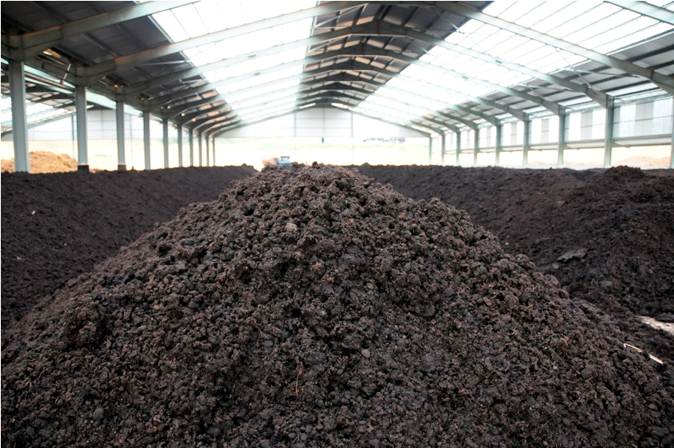
BSF (Black Soldier Fly) Composting in Bulawayo
Bulawayo faces mounting challenges managing organic waste as the city’s population grows and landfill capacity shrinks. Mountains of vegetable scraps, food waste, and agricultural residues accumulate in dumps, generating methane and attracting pests. Traditional composting methods, while beneficial, require extensive space and months of processing time. A revolutionary solution is emerging that transforms waste management economics: Black Soldier Fly (BSF) composting.
At Moterra Farms in Matopo, we’ve pioneered BSF composting technology demonstrating its potential for Bulawayo and surrounding Matabeleland South. This innovative approach processes organic waste 10 times faster than traditional composting while producing premium fertilizer and protein-rich livestock feed. BSF composting isn’t just waste management—it’s resource recovery creating economic value from materials previously considered worthless.
Understanding Black Soldier Fly Composting
Black Soldier Flies are nature’s most efficient organic waste processors. These remarkable insects, native to our region, consume organic waste at extraordinary rates. A single BSF larva can process twice its body weight daily in organic matter. Colonies of thousands transform mountains of waste into valuable products within weeks.
The process centers on BSF larvae—the immature stage of the insect’s life cycle. Adult Black Soldier Flies live only 5-8 days and don’t feed during this period. They exist solely to mate and lay eggs. Once eggs hatch, larvae emerge with voracious appetites for organic matter.
These larvae aren’t pests. Unlike common houseflies, Black Soldier Flies don’t transmit diseases, enter homes, or bite. They occupy ecological niches separate from human activities. The flies are actually beneficial, outcompeting problematic fly species that do carry diseases.
BSF composting produces two valuable products simultaneously. First, larvae digest organic waste producing frass—nutrient-rich compost superior to traditional compost. Second, the larvae themselves become protein-packed animal feed suitable for chickens, fish, and pigs. This dual-product system makes BSF composting economically compelling.
Bulawayo’s warm climate provides ideal conditions for year-round BSF production. Temperature ranges throughout most of the year fall within the 25-35°C sweet spot for maximum larvae activity. Even during cooler winter months, simple management adjustments maintain production. According to the Food and Agriculture Organization, insect farming represents sustainable protein production and waste management solution appropriate for developing regions.
How BSF Composting Works at Moterra Farms
Our BSF operation at Moterra Farms demonstrates practical, scalable waste processing suitable for Bulawayo implementation. We’ve refined techniques appropriate for Zimbabwean conditions, available materials, and local waste streams.
Waste Collection and Preparation
We collect organic waste from farm operations, neighboring households, and small businesses in Matopo. Suitable materials include vegetable scraps, fruit waste, food leftovers, crop residues, livestock manure, and brewery/food processing waste. Materials unsuitable for BSF include plastics, metals, glass, bones, and toxic substances.
Waste preparation involves basic chopping or shredding. Smaller pieces decompose faster and larvae process them more efficiently. We remove obvious contaminants and ensure proper moisture content—materials should feel like wrung-out sponges.
Larvae Rearing System
Our BSF facility uses simple containers providing shade, drainage, and protection from predators. We constructed bins from repurposed materials—old containers, wood, and shade cloth. Total construction costs remained under $500 USD for systems processing 200 kilograms weekly.
We maintain breeding colonies ensuring continuous larvae supply. Adult flies mate in enclosed spaces where we provide egg-laying substrates. Eggs hatch within 4 days, and tiny larvae immediately begin consuming waste.
Feeding and Processing
Fresh waste feeds larvae colonies daily. We spread 5-10 centimeters of organic material across larvae bins. Within hours, thousands of larvae swarm the new waste, consuming it rapidly. Proper feeding ratios prevent overloading while maintaining high processing rates.
Larvae process waste for 2-3 weeks, growing from pinpoint size to plump 2-centimeter grubs. During this period, they reduce waste volume by 50-80% while converting proteins and nutrients into larvae biomass and frass.
Harvesting
When mature, larvae instinctively migrate from waste seeking pupation sites. We’ve designed ramps leading from processing bins into collection containers. Larvae crawl up these ramps automatically, self-harvesting without labor-intensive separation. This elegant natural behavior makes BSF systems remarkably efficient.
Compost Collection
Material remaining after larvae migration is pure BSF frass—our premium organic compost. We dry this material to 10-15% moisture, screen it removing debris, and package for farm use or sale. The finished compost smells earthy and pleasant, completely unlike the odors associated with raw organic waste.
Benefits of BSF Composting for Bulawayo
BSF composting addresses multiple challenges facing Bulawayo simultaneously: waste management, soil fertility, livestock feed costs, and economic development.
Rapid Waste Processing
Traditional composting requires 3-6 months producing finished compost. BSF systems complete processing in 2-3 weeks—10 times faster. For Bulawayo’s waste management authorities, this speed means dramatically reduced storage requirements and faster waste-to-resource conversion.
The rapid processing prevents methane generation that occurs when organic waste decomposes anaerobically in landfills. Methane is a potent greenhouse gas contributing to climate change. BSF composting essentially eliminates methane emissions from organic waste while producing climate-friendly soil amendments.
Premium Compost Production
BSF frass surpasses traditional compost in nutrient content. Nitrogen levels reach 2.5-5%, phosphorus 2-4%, and potassium 1-3%—higher than most conventional composts. The larvae’s digestive process pre-processes organic matter, making nutrients more readily available to plants.
Beneficial microorganisms from larvae gut flora colonize the frass, providing additional soil health benefits. These microbes suppress plant diseases, enhance nutrient cycling, and improve soil structure. According to Rodale Institute research, biologically active composts improve crop yields more than sterilized fertilizers.
Protein-Rich Livestock Feed
The larvae harvested during processing contain 40-45% protein and 30-35% fat—exceptional nutrition for livestock. Bulawayo’s poultry, fish, and pig farmers spend heavily on imported soybean meal and fishmeal. BSF larvae offer local, sustainable, cost-effective alternative.
We’ve fed our chickens at Moterra Farms fresh BSF larvae with excellent results. Egg production increased 15-20%, yolk color deepened to rich orange, and flock health improved noticeably. The economic value of larvae often exceeds the compost value, making BSF composting profitable beyond waste management benefits.
Economic Opportunities
BSF composting creates employment and income generation opportunities. Small-scale systems require minimal capital but produce saleable products—compost and larvae. Bulawayo entrepreneurs could establish BSF operations serving neighborhoods, markets, or institutions.
Community-based BSF facilities could process residential organic waste, selling compost to gardeners and larvae to farmers. Schools could operate systems teaching environmental science while generating income for programs. Restaurants and food processors could manage their waste on-site, reducing disposal costs while producing valuable byproducts.
Comparing BSF to Traditional Composting Methods
Understanding how BSF composting compares to traditional methods helps Bulawayo residents and institutions make informed decisions.
Processing Speed
Traditional composting requires regular turning, moisture management, and 3-6 months minimum. BSF composting completes in 2-3 weeks with minimal labor. This 10-fold speed advantage means smaller facility footprints and faster resource recovery.
Labor Requirements
Traditional composting demands significant labor for turning piles, monitoring moisture, and managing temperatures. BSF systems require only daily feeding and periodic harvesting—far less labor-intensive. This efficiency makes BSF composting economically viable even at small scales.
Odor Management
Improperly managed traditional compost produces strong odors from anaerobic decomposition. BSF larvae keep waste aerobic through constant movement, virtually eliminating offensive smells. This makes BSF composting suitable for urban areas where odor complaints limit traditional composting.
Space Efficiency
Traditional composting requires large areas for windrows or bins plus space for turning operations. BSF systems process equal waste volumes in 70-80% less space. For land-constrained Bulawayo locations, this space efficiency proves crucial.
Product Value
Traditional composting produces only compost. BSF composting produces premium compost plus high-value protein feed. This dual revenue stream makes BSF operations financially attractive while traditional composting often operates at break-even or requires subsidies.
Pathogen Reduction
BSF larvae gut enzymes kill many pathogens present in organic waste. The high-protein larvae environment and digestive processes provide sanitation beyond typical composting. According to the World Health Organization, proper waste processing reduces disease transmission risks in urban environments.
Setting Up BSF Composting in Bulawayo: Practical Guide
Bulawayo residents, businesses, and institutions can establish BSF composting operations using locally available materials and reasonable budgets.
Small-Scale Home Systems ($50-200 USD)
Home systems suit households generating 5-20 kilograms daily organic waste. Basic requirements include: 2-3 plastic containers or wooden boxes (60cm x 40cm x 30cm), shade cloth or mesh covering, simple drainage system, larvae ramp for self-harvesting.
Purchase starter larvae colonies from suppliers in Bulawayo or Moterra Farms (approximately $30-50 for 1000 larvae). Maintain breeding colony ensuring continuous larvae supply. Feed kitchen scraps, garden waste, and suitable organic materials daily.
Medium-Scale Community Systems ($200-1000 USD)
Community gardens, schools, or neighborhood groups can establish larger systems processing 50-200 kilograms daily. These require: purpose-built bins or repurposed larger containers, more sophisticated drainage and harvesting systems, dedicated management person or rotation schedule, basic drying and screening equipment for compost finishing.
Marketing finished compost and larvae to community members or external buyers can generate income covering operational costs and providing surplus for community projects.
Commercial-Scale Operations ($1000-5000+ USD)
Entrepreneurs or institutions processing 500+ kilograms daily require: permanent infrastructure with climate control considerations, automated or semi-automated feeding systems, efficient harvesting and processing equipment, quality control and packaging capabilities, established markets for products.
Commercial operations can partner with markets, restaurants, food processors, and institutions for waste supply. Product sales to farmers, gardeners, and livestock producers generate substantial revenue. According to Organic SA, demand for organic fertilizers in Zimbabwe exceeds current supply, creating market opportunities.
Overcoming Challenges and Common Concerns
Several challenges can affect BSF composting success. Understanding and addressing these ensures positive outcomes.
Temperature Sensitivity
BSF larvae thrive at 25-35°C. During Bulawayo’s cooler winter months (June-August), larvae activity may slow. Simple solutions include: locating bins in sunny spots gaining passive heating, covering bins with dark materials absorbing heat, adjusting feeding rates to match reduced processing capacity.
Predator Management
Birds, ants, and other insects may target BSF larvae. Protect systems through: physical barriers like screening and netting, water moats around bin legs deterring crawling insects, regular monitoring and quick response to predator issues.
Moisture Balance
Too much moisture drowns larvae; too little slows processing. Maintain proper moisture through: drainage holes preventing waterlogging, covering bins during heavy rains, adding dry materials (sawdust, dry leaves) if too wet, adding water if too dry.
Initial Learning Curve
New practitioners require time learning optimal practices. Success improves through: starting small and scaling gradually, connecting with experienced BSF composters for guidance, documenting what works and what doesn’t, patience during initial months while developing expertise.
Environmental and Community Impact
BSF composting delivers benefits extending beyond individual operators to encompass broader environmental and social goods.
Landfill Diversion
Bulawayo’s Ngozi Mine landfill receives hundreds of tons of waste daily, with organic materials comprising 30-40%. BSF composting can divert substantial percentages, extending landfill lifespan and reducing municipal waste management costs.
Greenhouse Gas Reduction
Organic waste decomposing in landfills generates methane—a greenhouse gas 25 times more potent than carbon dioxide. Processing waste through BSF composting prevents methane generation while creating compost that sequesters carbon in soils.
Urban Agriculture Support
Bulawayo’s growing urban agriculture movement requires affordable, quality soil amendments. BSF compost provides exactly this, supporting food security initiatives, community gardens, and household food production. The United Nations Environment Programme recognizes urban agriculture as crucial for sustainable cities.
Educational Opportunities
BSF composting provides tangible, engaging environmental education. Schools implementing systems teach students about waste reduction, nutrient cycling, insect biology, and sustainable food systems. Students gain practical skills applicable to future agricultural or environmental careers.
Employment Creation
As BSF composting scales across Bulawayo, employment opportunities emerge in waste collection, system operation, compost processing and sales, larvae production and marketing, and technical support services.
The Future of BSF Composting in Bulawayo
BSF composting technology is still emerging in Zimbabwe, but potential for transformation is enormous. Several developments could accelerate adoption.
Municipal Partnerships
Bulawayo City Council could partner with private operators establishing centralized BSF facilities processing market waste, municipal green waste, and residential organic collections. Revenue from product sales could offset operational costs while reducing landfill burden.
Institutional Adoption
Schools, hospitals, hotels, and large institutions generate substantial organic waste. On-site BSF composting reduces disposal costs while producing usable products. Institutional adoption could normalize the technology, encouraging broader uptake.
Research and Development
Local universities and research institutions could study BSF composting optimization for Zimbabwean conditions. Research questions include: best waste stream combinations for local crops, larvae nutrition for different livestock, seasonal management strategies, economic modeling for various scales.
Product Certification
Developing quality standards and organic certification for BSF compost would enhance market acceptance and premium pricing. Certification systems build consumer confidence while rewarding quality producers.
Conclusion: Embracing the BSF Revolution
BSF composting represents genuine breakthrough technology appropriate for Bulawayo’s waste management, agricultural, and economic development needs. The speed, efficiency, dual-product output, and environmental benefits position BSF as superior alternative to traditional waste management and composting approaches.
At Moterra Farms, we’ve proven BSF composting works in Matabeleland South conditions using affordable, locally-sourced materials. Our success demonstrates that individuals, communities, and institutions throughout Bulawayo can implement this technology beginning waste-to-resource transformation immediately.
The future of organic waste management in Bulawayo doesn’t lie in larger landfills or imported waste processing equipment. It exists in working with nature through BSF—tiny but mighty insects that evolved processing organic matter millions of years before humans appeared. By harnessing their remarkable capabilities, we solve waste problems while creating valuable resources supporting agriculture, food security, and economic development.
Whether you’re a homeowner wanting to manage kitchen waste, an entrepreneur seeking business opportunities, or an institution addressing waste disposal costs, BSF composting offers practical solutions. The revolution has begun—join us in transforming Bulawayo’s waste into wealth.
Visit Moterra Farms to see BSF composting in action, purchase starter colonies, or learn implementation techniques. Together, we’re building Zimbabwe’s sustainable future, one larvae bin at a time.
Recent Posts:
Do you sell eggs/larvae?
Unfortunately not at the moment.