
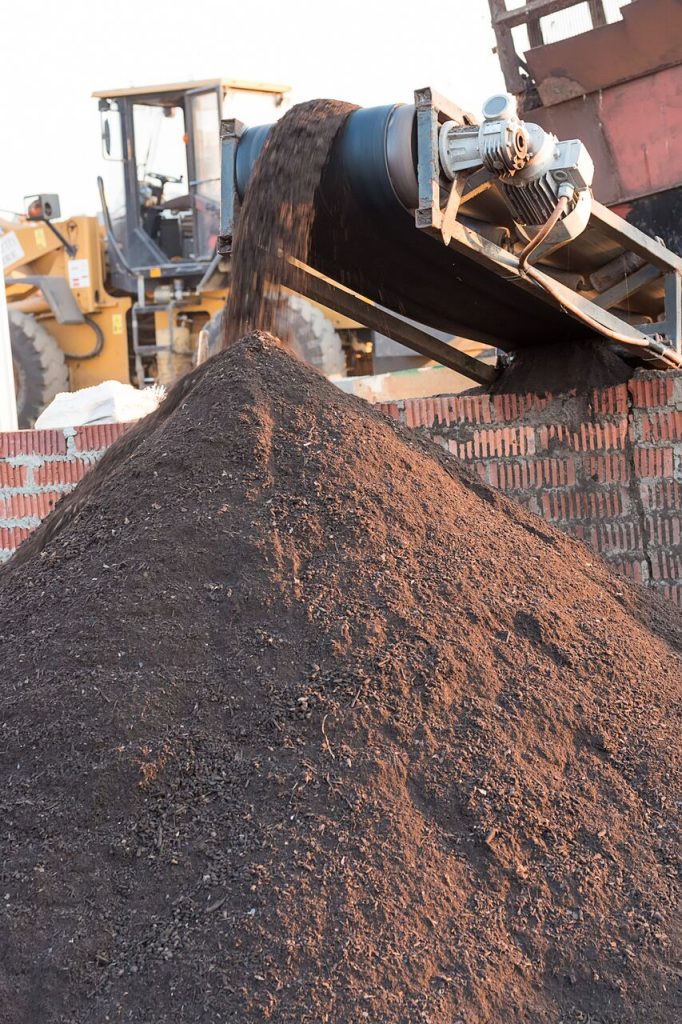
Organic Compost for Matabeleland South
Benefits of Organic Compost for Matabeleland South Soils and Climate
Matabeleland South’s unique climate and soil conditions present both opportunities and challenges for farmers and gardeners. The region experiences hot, dry summers and unpredictable rainfall patterns that test even the most resilient crops. Soils throughout the province vary from sandy loams to heavy clays, many depleted after decades of cultivation. Organic compost offers transformative solutions specifically suited to Matabeleland South’s environmental realities, addressing water scarcity, soil degradation, and fertility challenges simultaneously.
Unlike chemical fertilizers that provide temporary nutrient boosts, organic compost rebuilds soil structure and fertility sustainably. It works with nature rather than against it, enhancing soil’s natural capacity to support plant life. For Matabeleland South farmers facing climate variability and economic constraints, organic compost represents practical, affordable, and effective soil management. This comprehensive guide explores how organic compost specifically benefits our region’s soils and climate conditions.
Understanding Matabeleland South’s Soil Challenges
Matabeleland South soils face multiple stress factors limiting agricultural productivity. Many areas feature sandy soils with poor water retention capacity. During the rainy season, water quickly drains through sand, leaving little moisture for plants. Conversely, some regions have heavy clay soils that become waterlogged during rains and crack during dry spells.
Soil organic matter content averages below 2% across much of the province—well below the 5% ideal for productive agriculture. Low organic matter means soils hold less water, support fewer beneficial microorganisms, and provide inadequate nutrition. Decades of continuous cropping without adequate replenishment have mined nutrients from the soil.
Soil pH varies widely but tends toward neutral or slightly alkaline in many areas. While not inherently problematic, pH extremes can lock up nutrients making them unavailable to plants. Compaction from livestock, equipment, and foot traffic reduces soil aeration, limiting root penetration and water infiltration.
Erosion presents serious concerns, particularly in areas with seasonal heavy rains followed by prolonged dry periods. Bare soil without protective cover washes away during storms, removing precious topsoil. Wind erosion during dry season further depletes soil resources.
According to the Food and Agriculture Organization, healthy soil contains diverse communities of organisms, adequate organic matter, and good physical structure. Matabeleland South soils often lack these characteristics, but organic compost systematically addresses each deficiency.
How Organic Compost Transforms Soil Structure
Organic compost dramatically improves soil physical properties critical for Matabeleland South conditions. When incorporated into sandy soils, compost acts like a sponge holding water and nutrients. The organic particles physically bind sand grains together, creating aggregates that retain moisture far better than pure sand.
For clay soils, compost works differently but equally beneficially. Organic matter loosens dense clay, creating spaces between particles. These spaces allow air and water movement that heavy clays normally restrict. Improved aeration supports root growth and beneficial soil organisms.
Compost increases soil’s water-holding capacity—crucial for Matabeleland South’s erratic rainfall. Organic matter can hold several times its weight in water. A 5% increase in soil organic matter can double the amount of plant-available water soil holds. During dry spells, this extra moisture keeps crops alive.
Soil structure improvements also reduce erosion. Compost-enriched soils resist raindrop impact better than bare, degraded soils. Improved infiltration means more rainwater soaks in rather than running off. Better aggregation means soil particles stick together resisting both water and wind erosion.
The physical changes happen relatively quickly. Within one growing season of compost application, farmers notice easier tillage, better water penetration, and reduced crusting. Over multiple seasons, transformations become even more pronounced as organic matter accumulates.
Compost also moderates soil temperature—beneficial in Matabeleland South’s temperature extremes. Organic matter insulates soil, keeping it cooler during hot days and warmer during cold nights. This moderation protects plant roots and soil organisms from temperature stress.
Addressing Water Scarcity Through Compost
Water availability constrains agriculture throughout Matabeleland South more than almost any other factor. Annual rainfall averages only 450-650mm, concentrated in a few months. Droughts occur frequently, sometimes lasting multiple seasons. Organic compost provides critical water management benefits addressing these challenges.
Research from the Rodale Institute demonstrates that soils high in organic matter absorb and retain significantly more water than depleted soils. For every 1% increase in soil organic matter, soil can hold approximately 20,000 additional liters of water per hectare. This translates directly to crop survival during dry spells.
Compost reduces water waste through improved infiltration. Hard, compacted, or crusted soils shed rainfall as runoff rather than absorbing it. Compost-enriched soils accept water readily, capturing precious rainfall for later plant use. Less runoff also means less erosion and better groundwater recharge.
The water-holding improvements benefit crops throughout the growing season. Seedlings establish more successfully when soil retains germination moisture. Mature plants access deeper moisture reserves during mid-season dry spells. Even modest organic matter increases can extend the effective growing period by weeks.
For Matabeleland South farmers practicing dryland agriculture, these water benefits are transformative. Crops become more drought-resistant without additional irrigation infrastructure. Harvests become more reliable even in below-average rainfall years. Food security improves at household and community levels.
Gardeners in urban Bulawayo and rural areas alike report reduced watering frequency after applying compost. Vegetable gardens that previously required daily watering may need water only every few days. This saves labor, reduces water bills, and makes gardening viable even with limited water access.
Nutrient Supply Tailored to Matabeleland South Crops
Organic compost provides balanced nutrition supporting diverse crops grown throughout Matabeleland South. Unlike synthetic fertilizers supplying only primary nutrients (nitrogen, phosphorus, potassium), compost contains complete nutrition including secondary nutrients and micronutrients.
Nitrogen content in quality compost typically ranges from 1-3%. While lower than synthetic fertilizers, this nitrogen releases slowly as microorganisms decompose organic matter. Slow release means less nutrient loss through leaching and longer-lasting fertility. Plants access nitrogen steadily throughout the growing season.
Phosphorus and potassium exist in compost in readily available forms. Many Matabeleland South soils contain adequate phosphorus and potassium but in chemical forms plants cannot access. Compost-supplied nutrients come in organic forms that plants absorb easily.
Secondary nutrients—calcium, magnesium, and sulfur—support numerous plant functions. Calcium strengthens cell walls, improving disease resistance. Magnesium forms the core of chlorophyll molecules essential for photosynthesis. Sulfur supports protein synthesis. Compost supplies all these elements.
Micronutrients including iron, zinc, copper, manganese, and boron exist in compost in balanced proportions. While plants need these only in tiny amounts, deficiencies severely limit growth. Chemical fertilizers rarely include micronutrients, leading to hidden hunger where plants appear healthy but yield poorly.
The International Federation of Organic Agriculture Movements emphasizes that organic soil management builds long-term fertility rather than creating short-term dependency. Compost fits this philosophy perfectly—each application builds soil capital that continues providing benefits for years.
Traditional Matabeleland South crops including sorghum, millet, groundnuts, and cowpeas respond excellently to compost. Vegetables like tomatoes, onions, and leafy greens show dramatic yield increases. Even crops considered hardy and low-input benefit from compost’s complete nutrition.
Climate Resilience and Carbon Sequestration
Climate change brings increasing uncertainty to Matabeleland South agriculture. Temperature extremes intensify, rainfall patterns become more erratic, and droughts grow more severe. Organic compost enhances climate resilience while contributing to climate change mitigation.
Compost-enriched soils help crops withstand climate stress. Better water retention means plants survive longer dry periods. Improved nutrient availability ensures strong, healthy plants better able to tolerate heat and pest pressure. Enhanced soil structure supports deeper rooting, accessing subsoil moisture unavailable to shallow-rooted plants.
Temperature moderation provided by organic matter protects crops during extreme events. During heatwaves, compost-amended soils stay cooler protecting roots. During cold snaps, organic matter insulates against frost damage. This buffering effect reduces crop losses from weather extremes.
Organic compost also contributes to climate change mitigation through carbon sequestration. When organic matter decomposes in soil rather than burning or rotting above ground, carbon stores in stable soil organic matter. This removes carbon dioxide from the atmosphere, helping offset greenhouse gas emissions.
Each ton of compost applied to soil can sequester 50-100 kilograms of carbon depending on climate and soil type. Across Matabeleland South’s agricultural lands, widespread compost use could sequester significant carbon while improving food security. This represents a rare win-win: better farming outcomes and environmental benefits.
The United Nations Convention to Combat Desertification identifies organic soil management as crucial for dryland resilience. Matabeleland South’s semi-arid climate makes desertification a real threat. Compost application combats desertification by rebuilding soil organic matter and preventing erosion.
Economic Benefits for Matabeleland South Farmers
Organic compost delivers compelling economic advantages beyond agronomic benefits. For resource-constrained farmers, these economic factors often determine whether sustainable practices get adopted.
Compost reduces input costs substantially. Chemical fertilizers have become increasingly expensive and often unavailable in rural areas. Compost produced on-farm or purchased locally costs far less than imported synthetic fertilizers. Many farmers make compost from materials otherwise wasted—crop residues, kitchen scraps, livestock manure.
Yield improvements from compost translate directly to income. Higher vegetable yields mean more produce to sell at markets. Better grain harvests provide surplus for sale after household needs are met. Even modest yield increases of 20-30% significantly improve household economics.
Compost improves crop quality alongside quantity. Vegetables grown in compost-enriched soil often taste better, store longer, and fetch premium prices. Organic produce increasingly commands higher prices as consumer awareness grows. According to Organic SA, organic certification can increase farm gate prices by 15-40%.
Reduced water requirements lower labor costs. Less time spent watering allows farmers to focus on other productive activities. For market gardeners paying for municipal water, reduced consumption directly cuts expenses.
Compost provides insurance against fertilizer supply disruptions. Zimbabwe periodically experiences shortages of imported agricultural inputs. Farmers relying entirely on synthetic fertilizers face crisis when supplies disappear. Compost-based fertility provides independence from unreliable supply chains.
Soil health improvements accumulate over time, reducing annual fertilizer needs. While initial compost applications might be substantial, maintenance applications can be smaller as soil fertility builds. This long-term cost reduction contrasts sharply with chemical fertilizers requiring full applications every season.
Practical Application Methods for Local Conditions
Applying organic compost effectively in Matabeleland South requires understanding local conditions and crop requirements. Simple techniques ensure maximum benefit from available compost.
Pre-Planting Application: For field crops, apply 5-10 tons of compost per hectare before planting. Spread compost evenly and incorporate into top 15-20 centimeters through plowing or digging. This thorough mixing ensures roots access nutrients throughout the root zone.
Garden Bed Preparation: For vegetable gardens, apply 5-10 kilograms per square meter. Mix thoroughly into beds 2-3 weeks before planting. This allows compost to begin decomposing and nutrients to become available when transplants or seeds go in.
Top Dressing: Apply compost around established plants during the growing season. Spread 2-3 centimeters around plants without touching stems. Gently work into soil surface or leave as mulch. Rain and irrigation wash nutrients down to roots.
Planting Hole Amendment: When planting fruit trees or perennials, mix compost into planting holes. Combine 50% compost with 50% native soil for optimal results. This gives young plants nutrient-rich rooting medium encouraging strong establishment.
Compost Tea: Steep compost in water (1 part compost to 5 parts water) for 24-48 hours. Strain and apply as liquid fertilizer. This provides quick nutrient boost and beneficial microorganisms. Particularly useful for container plants and seedlings.
Timing applications to Matabeleland South’s rainfall pattern maximizes effectiveness. Apply compost just before rains begin so moisture activates decomposition and nutrient release. Avoid applying during peak dry season when lack of moisture limits microbial activity.
Addressing Common Concerns and Misconceptions
Some Matabeleland South farmers hesitate to adopt organic compost due to misconceptions or legitimate concerns. Addressing these barriers helps promote wider adoption.
“Compost doesn’t provide enough nutrients.” While compost contains lower nutrient percentages than synthetic fertilizers, it provides complete nutrition in balanced forms. The slow-release nature means nutrients remain available longer. Most crops respond as well or better to compost than chemicals.
“Making compost takes too much time.” Initial composting requires learning and setup, but established systems require minimal labor. Many farmers compost while doing other tasks. Time invested returns multiplied through reduced fertilizer costs and increased yields.
“We don’t have enough materials.” Compost materials exist on every farm—crop residues, livestock manure, kitchen waste, weeds. Starting small and gradually expanding proves more sustainable than attempting large-scale production immediately. Community composting can pool resources.
“Compost attracts pests.” Properly managed compost doesn’t attract problematic pests. Covering compost piles, maintaining proper moisture, and avoiding meat or fatty materials prevents issues. Benefits far outweigh minor pest risks.
“Chemical fertilizers work faster.” While synthetics provide quick nutrient bursts, compost builds long-term soil health. Over multiple seasons, compost-managed soils outperform chemically-managed soils. Combining compost with reduced chemical inputs offers transition strategy.
Building Community Composting Initiatives
Individual farmers benefit from compost, but community-scale initiatives multiply impacts across Matabeleland South. Collaborative composting addresses resource limitations while building social capital.
Community gardens in Bulawayo and rural areas can establish central composting facilities. Members contribute organic waste and share finished compost. This provides quality soil amendment to households lacking space or materials for individual composting.
Schools can implement composting programs teaching students sustainable agriculture while producing compost for school gardens. This builds environmental awareness while improving school nutrition programs through better garden productivity.
Churches and community organizations can coordinate neighborhood composting collection. Organic waste otherwise burned or dumped becomes valuable resource. Revenue from compost sales can fund community projects.
Agricultural cooperatives can invest in composting infrastructure serving members. Bulk composting produces large volumes efficiently. Members access quality compost at affordable prices while marketing surplus to external buyers generates cooperative income.
Let’s Talk More
Organic compost addresses Matabeleland South’s most pressing agricultural challenges: poor soils, water scarcity, climate variability, and economic constraints. By improving soil structure, enhancing water retention, providing balanced nutrition, and building climate resilience, compost enables more productive, sustainable, and profitable agriculture.
The benefits extend beyond individual farms to encompass environmental protection, climate change mitigation, and community food security. As chemical fertilizers become increasingly expensive and unreliable, organic compost offers proven alternative grounded in ecological principles and local resource availability.
Farmers, gardeners, and communities throughout Matabeleland South can begin benefiting from organic compost immediately. Start small, learn through practice, and gradually expand as experience grows. The soil beneath our feet holds potential for transformation—organic compost unlocks that potential.
Whether producing compost on-farm, purchasing from local suppliers like Moterra Farms in Matopo, or participating in community initiatives, every ton of compost applied represents investment in soil health, food security, and sustainable futures. Matabeleland South’s agricultural revival begins with rebuilding the soil—one compost pile at a time.
Other posts: