
Organic Compost vs Chemical Fertilizers for Zimbabwe Farms A Practical Guide for Smallholder Farmers | March 2026
Introduction
Zimbabwe farmers face a critical choice between organic compost and chemical fertilizers. This choice affects soil health, crop yields, and long-term farm profitability. Zimbabwe’s sandy soils and erratic rainfall make this decision especially important. Most smallholder farmers operate on tight budgets with limited access to inputs. Understanding each option helps farmers make smarter, more sustainable decisions.
Understanding Organic Compost
What Is Organic Compost?
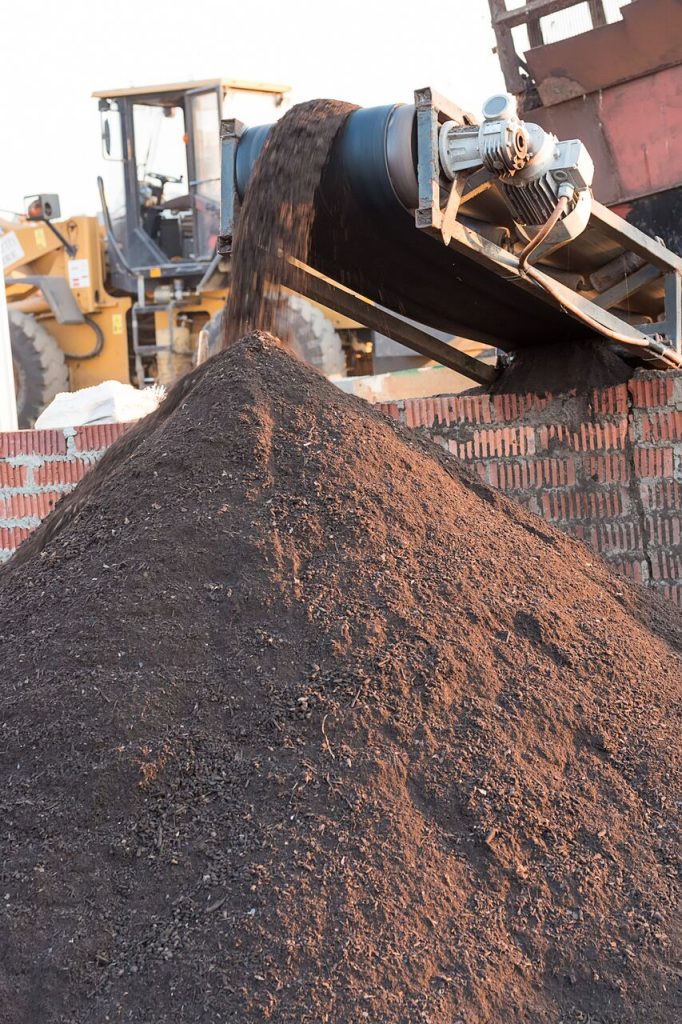
Compost is decomposed organic matter made from crop residues, manure, and kitchen waste. Farmers in Zimbabwe can produce compost cheaply using materials already on the farm. It enriches soil with beneficial microbes, organic carbon, and slow-release nutrients.
Benefits for Zimbabwe Soils
Zimbabwe’s degraded soils benefit greatly from the organic matter in compost. Compost improves water retention, which is vital during dry seasons and droughts. It increases soil organic carbon, improving structure and aeration. It feeds earthworms and beneficial organisms that naturally boost soil fertility. Compost also reduces erosion in sandy and heavily worked fields.
Limitations
Compost works slowly and may not meet immediate, high crop-demand situations. It requires labor and planning to produce in sufficient quantities. Nutrient content varies depending on the materials used in production.
Understanding Chemical Fertilizers
What Are Chemical Fertilizers?
Chemical fertilizers are manufactured compounds supplying concentrated plant nutrients. Common types used in Zimbabwe include AN, CAN, compound D, and basal fertilizers. They deliver nitrogen, phosphorus, and potassium in precise, standardized ratios.
Benefits
Chemical fertilizers produce fast, visible results within weeks of application. They allow precise dosing for specific crop requirements. They suit high-yielding hybrid maize varieties requiring heavy feeding. Consistent nutrient content makes planning easier for commercial farmers.
Limitations
Chemical fertilizers are expensive, with prices rising sharply in Zimbabwe recently. They do not improve soil structure and can acidify soils with repeated use. Over-reliance leads to declining soil health and increasing input dependency.
Cost Comparison
Chemical fertilizers are a significant cost burden for smallholder farmers in Zimbabwe. A 50kg bag of compound D can cost USD 30–45 depending on market conditions. Most farmers require at least 4–6 bags per hectare for adequate maize production. Compost costs virtually nothing when produced on-farm using local materials. The main investment in compost is labor, which is generally available on smallholdings. Over five years, compost can save farmers hundreds of dollars per hectare. Reduced fertilizer dependency also shields farmers from supply shocks and inflation.
Impact on Soil Health
Zimbabwe soils have been degraded by decades of poor management and deforestation. Continuous chemical fertilizer use accelerates soil acidification across many farming areas. Soil pH can drop below 5.0, reducing nutrient availability and harming crops. Compost buffers soil pH and gradually restores healthy microbial communities. Research across sub-Saharan Africa shows compost significantly raises soil organic matter. Better soil structure from compost reduces runoff and improves water infiltration. Healthier soils require less external input over time, lowering long-term costs.
Crop Yield Performance
Chemical fertilizers typically produce higher yields in the first one to two seasons. However, without soil health improvement, yields plateau or decline in later seasons. Compost alone may produce lower initial yields but supports consistent performance over time. The best results in Zimbabwe trials come from combining both approaches strategically. Using compost as a base with small top-up amounts of fertilizer is highly effective. This integrated approach improves yields while gradually reducing chemical dependency. Smallholder farmers in Mashonaland have recorded improved yields using this method.
Environmental Considerations
Chemical fertilizers contribute to water pollution through runoff into rivers and dams. Nitrogen leaching contaminates groundwater, affecting communities relying on boreholes. Greenhouse gas emissions from fertilizer production are significant and growing globally. Compost production has a near-zero carbon footprint when made from farm waste. Composting reduces organic waste that would otherwise be burned or left to rot. Zimbabwe’s EMA guidelines encourage farmers to reduce chemical input use. Sustainable farming practices protect Zimbabwe’s biodiversity and natural ecosystems.
Recommendations for Zimbabwe Farmers
No single approach suits all farmers, soils, or crops in Zimbabwe equally. Smallholder farmers with limited cash should prioritize building compost capacity immediately.
Practical steps to take now:
- Start a compost pit using crop residues, manure, and household organic waste.
- Apply compost at 5–10 tonnes per hectare before the rainy season begins.
- Supplement with small amounts of basal fertilizer only where soil tests show deficiency.
- Conduct a basic soil pH test to guide lime and nutrient application decisions.
- Rotate crops to naturally replenish soil nitrogen without heavy fertilizer use.
Commercial farmers may continue using chemical fertilizers but should integrate compost. Training from AGRITEX extension officers can help farmers design appropriate strategies.
Quick Comparison Summary
| Factor | Organic Compost | Chemical Fertilizer |
|---|---|---|
| Cost | Low (farm-made) | High (imported) |
| Soil Health | Greatly improves | Degrades over time |
| Nutrient Release | Slow, steady | Fast, short-lived |
| Water Retention | Significantly improves | No improvement |
| Environmental Impact | Very low | Moderate to high |
| Drought Resistance | High | Low |
| Availability | Always on-farm | Market-dependent |
Conclusion
Both organic compost and chemical fertilizers have valid roles in Zimbabwe agriculture. The most sustainable path forward integrates both in a complementary, strategic manner. Given rising input costs and climate volatility, compost must become a farm priority. Chemical fertilizers should be used sparingly, precisely, and only where truly needed. Building soil health through compost is an investment that pays dividends for generations. Zimbabwe’s food security depends on farmers making smarter, longer-term soil decisions. Start small, build your compost system, and watch your soil transform over time.
Recent Posts